Signs It’s Time to Reseal Your Pavers
Noticing signs it’s time to reseal your pavers helps protect and maintain their appearance, and local contractors can provide expert sealing services to restore your surface.
If you’ve noticed your pavers losing their original luster or developing unsightly stains, it might be a sign that resealing is needed. Property owners in the area often find that weather exposure, foot traffic, and daily wear can gradually diminish the protective layer, making the surface more vulnerable to damage. Recognizing these signs early can help maintain the appearance and integrity of outdoor spaces, ensuring they stay attractive and safe for years to come. Local contractors who specialize in paver resealing can assess your property's specific needs and help restore your pavers’ durability and visual appeal.
Other indicators that it may be time to reseal your pavers include the presence of loose or cracked joints, or if the surface begins to feel rough or uneven underfoot. These issues can allow water and debris to penetrate, accelerating deterioration. Regular resealing by experienced service providers can help prevent more extensive repairs down the line, preserving the longevity of your paved areas. Keep an eye out for these practical signs, and consider reaching out to trusted local contractors who can provide expert advice and quality resealing services tailored to your property’s needs.
- Paver resealing - homeowners notice fading or discoloration on their paver surfaces and seek local contractors to restore the appearance.
- Paver resealing - signs of moss, mold, or algae growth indicate it’s time for a reseal to protect the pavers and improve curb appeal.
- Paver resealing - after cracks or paver shifting become visible, local service providers can help reinforce and reseal the surface to prevent further damage.
- Paver resealing - when existing sealant begins peeling or wearing away, local contractors can reapply a protective coating to extend paver life.
- Paver resealing - visible stains or efflorescence on pavers suggest a resealing service is needed to maintain a clean and durable surface.
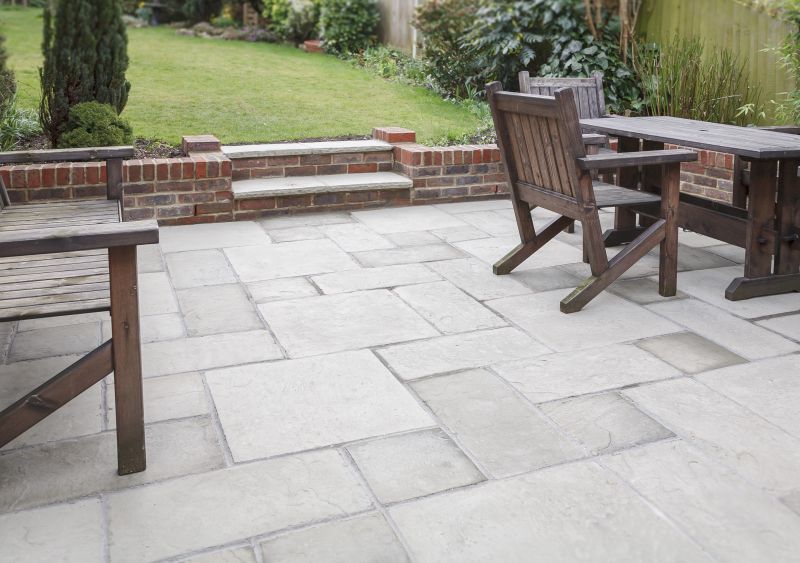
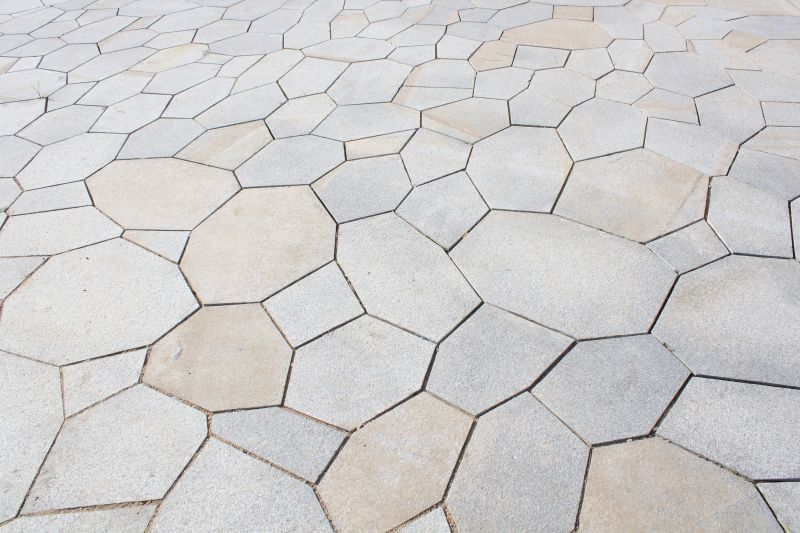
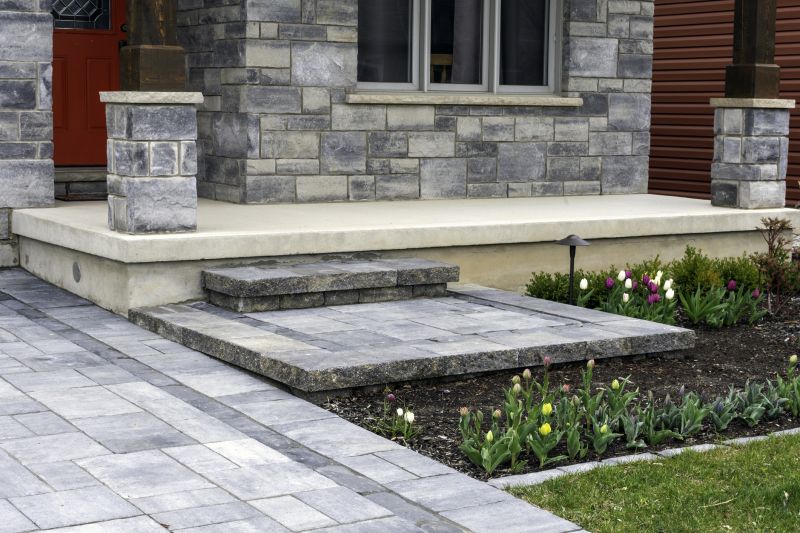
When homeowners begin to notice certain changes in their paved surfaces, they often wonder if it’s time to reseal their pavers. Typically, searches about signs it’s time to reseal your pavers are driven by observations of surface deterioration or visual imperfections. Common indicators include a loss of the pavers’ original color, a dull or faded appearance, and the presence of stains or discoloration that don’t wash away. These signs suggest the protective layer that once shielded the pavers from dirt, spills, and weather elements has worn thin, making resealing necessary to restore their appearance and protect the surface.
Resealing pavers is closely related to maintaining the integrity and longevity of outdoor spaces such as patios, walkways, pool decks, and driveways. When the sealant begins to break down, it can lead to issues like weed growth between the joints, increased staining, and the accumulation of dirt and debris that becomes difficult to clean. Homeowners with plans to enhance curb appeal or prevent costly repairs often consider resealing as a proactive step. Local contractors who specialize in paver sealing can assess the condition of the surface and recommend the appropriate timing for resealing, helping property owners preserve their investment and avoid more extensive repairs down the line.
The types of properties that commonly require resealing include residential homes with paved patios, driveways, and walkways, as well as commercial properties with decorative paver surfaces. These surfaces are often chosen for their durability and aesthetic appeal but require ongoing maintenance to keep them looking their best. Factors such as exposure to harsh weather, frequent foot traffic, or regular use of outdoor amenities can accelerate the wear process. Homeowners and property managers should be attentive to signs of deterioration, as timely resealing can prevent cracks, uneven surfaces, and other damage that might compromise safety and appearance.
Engaging with local service providers who specialize in paver resealing can ensure that the job is done correctly and efficiently. These professionals have the experience to evaluate the condition of the surface, recommend the right type of sealant, and apply it properly to maximize protection and visual appeal. Recognizing the signs it’s time to reseal your pavers is an essential part of ongoing property maintenance, helping to preserve the beauty and functionality of paved surfaces. Connecting with local pros can provide peace of mind that the work will be handled by experienced individuals committed to maintaining the quality and longevity of outdoor spaces.
Concrete sealing projects involve similar surface preparation and sealing techniques, making them related to paver resealing services and the signs it’s time to reseal your pavers.
Patio and driveway restoration work requires surface cleaning and sealing to protect against weather damage, aligning with the skills needed for resealing pavers.
Stamped concrete sealing involves surface cleaning and applying protective coatings, comparable to the process of resealing paver surfaces when signs of wear appear.
Brick and stone sealing projects share the planning and application of sealers to prevent deterioration, which is similar to maintaining paver integrity through resealing.
Outdoor surface cleaning services prepare surfaces for sealing by removing dirt and debris, a crucial step before resealing pavers when signs of aging are visible.
Landscape hardscape sealing includes sealing various hardscape materials, requiring similar tools and planning as paver resealing to preserve their appearance and durability.
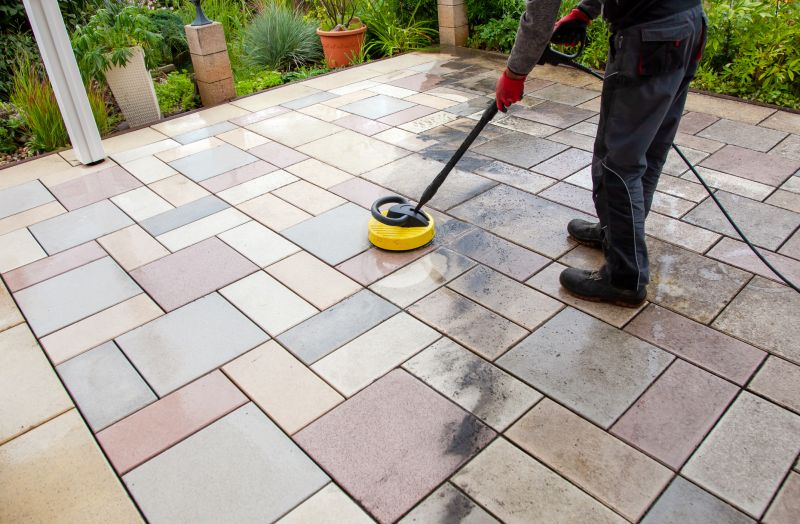
When comparing local contractors for paver resealing services, it’s important to consider their experience with similar projects. Homeowners should look for service providers who have a track record of successfully completing paver sealing jobs comparable in size and scope. An experienced pro will be familiar with the specific techniques and materials needed to address common signs it’s time to reseal your pavers, such as fading, staining, or surface erosion. This familiarity can help ensure the work is done effectively and that the results will meet expectations, reducing the likelihood of needing repairs or rework later on.
Clear written expectations are another key factor when evaluating potential service providers. Homeowners should seek out contractors who provide detailed descriptions of their services, including the steps involved in the resealing process and what the customer can expect during and after the project. Having this clarity helps prevent misunderstandings and ensures that everyone is aligned on the scope of work. Reputable local contractors will be transparent about what the job entails, which can give homeowners confidence that the project will be handled professionally and that the signs it’s time to reseal your pavers will be addressed thoroughly.
Reputable references and good communication are vital considerations in selecting a service provider. Homeowners are encouraged to ask for references from previous clients or to seek out reviews that speak to the contractor’s reliability and quality of work. Effective communication throughout the process-such as responsiveness to questions and clarity about procedures-can also indicate a contractor’s professionalism. Choosing a local contractor who demonstrates these qualities can help ensure that the paver resealing project is completed smoothly, with attention to detail and a commitment to addressing the signs it’s time to reseal your pavers in a manner that meets the homeowner’s needs.
Property owners often search for signs it’s time to reseal your pavers when they are planning practical projects around their homes and businesses. Local pros provide Paver Resealing services for everyday jobs and straightforward project options.
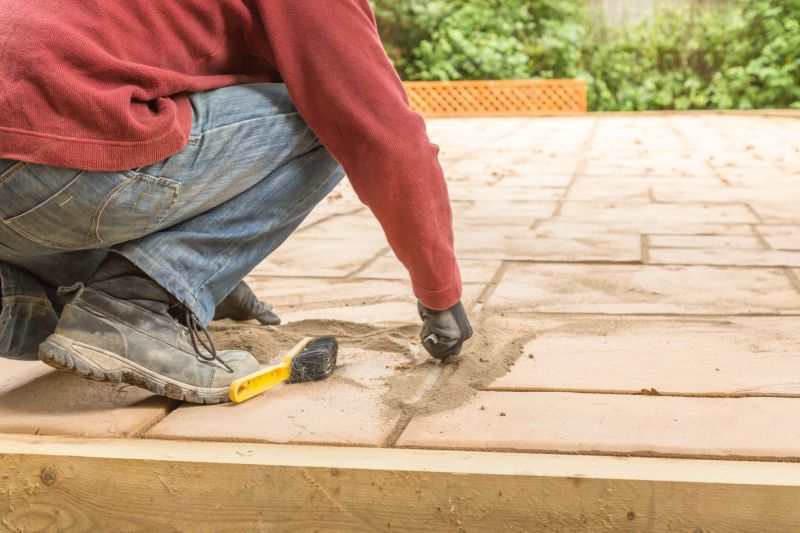
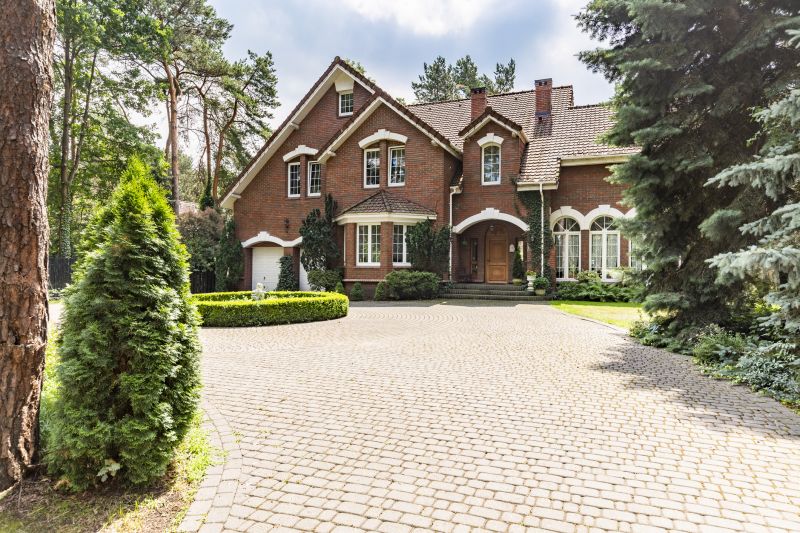
Property owners noticing fading or dullness in their paver surfaces may wonder if it’s time to reseal. Over time, exposure to foot traffic, weather, and daily wear can cause the sealant to break down, leading to a loss of vibrancy and protection. When pavers begin to look worn or uneven, local contractors who specialize in paver sealing can assess the condition and recommend the appropriate next steps to restore their appearance and durability.
Cracks, chips, or the presence of moss and weeds between pavers can also signal that resealing is needed. These issues often indicate that the existing sealant has deteriorated, allowing moisture and debris to penetrate the surface. Engaging experienced service providers in the area can help address these problems effectively, ensuring the pavers are properly resealed to prevent further damage and maintain their aesthetic appeal.
What are common signs that pavers need resealing? Visible wear, such as fading color, surface stains, or uneven texture, can indicate it’s time for paver resealing and should be evaluated by local contractors.
How can I tell if my pavers are losing their protective seal? If water no longer beads on the surface or stains penetrate easily, it suggests the sealant has worn off and a resealing service may be needed from nearby professionals.
Are cracked or chipped pavers a sign to reseal? Cracks and chips can expose the pavers to damage; resealing can help protect against further deterioration and is best handled by experienced local service providers.
What does it mean if the surface looks dull or faded? A dull or faded appearance often indicates the sealant has degraded, making resealing necessary to restore the pavers’ appearance with help from local experts.
When should I consider having my pavers resealed? If you notice signs like staining, color loss, or surface deterioration, contacting local contractors for resealing services can help maintain your paver’s condition.
Visible wear and discoloration - noticing fading or staining on paver surfaces suggests it’s time to consider resealing with help from local contractors.
Cracked or chipped pavers - damage like cracks or chips can allow moisture to penetrate, making resealing a practical step to protect the surface.
Loss of surface sheen - a dull or faded appearance indicates the existing sealant may be worn out and needs renewal by local service providers.
Stubborn stains or moss growth - persistent stains or moss can be a sign that resealing is needed to restore and preserve the paver’s appearance.
If you are thinking about signs it’s time to reseal your pavers for a property, this guide is meant to help you understand this topic, the typical project types, and how different options might fit your plans.
When you are ready, you can use the quote form on this page to share a few details about your project. From there, local pros can review the basics and follow up with options that match what you have in mind.