Common Causes of Paver Shifting and Settling
Understanding common causes of paver shifting and settling helps homeowners identify issues, and local contractors can provide expert repairs to restore stability and appearance.
Property owners who notice their pavers shifting or settling might be wondering what’s causing these issues. Understanding common causes of paver shifting and settling can help homeowners identify potential problems early and determine whether professional repair services are needed. Factors such as soil movement, improper installation, and drainage issues are frequent culprits that lead to uneven surfaces and cracked or loose pavers. Exploring these causes provides valuable insight into maintaining a safe and attractive outdoor space, especially for those planning to repair or replace damaged pavers.
Local contractors experienced in paver repair are equipped to address these underlying issues effectively. Whether soil instability needs stabilization, drainage problems require correction, or installation techniques need review, professional service providers can help restore paver surfaces to their proper condition. By learning about the common causes of shifting and settling, property owners can better understand when to seek expert assistance, ensuring their outdoor areas remain durable and visually appealing over time.
- Paver Repair Services - are often needed when shifting or settling occurs due to soil movement or poor base preparation, with local contractors using proper excavation and stabilization techniques.
- Paver Repair Services - address issues caused by tree root intrusion that lift or displace pavers, with local pros carefully removing and re-laying affected areas.
- Paver Repair Services - are essential when erosion or water drainage problems lead to uneven paver surfaces, with service providers adjusting base levels for stability.
- Paver Repair Services - can correct settling caused by freeze-thaw cycles, with local contractors inspecting and replacing compromised base materials.
- Paver Repair Services - help resolve shifting from heavy loads or traffic, with local pros reinforcing the foundation to prevent future movement.
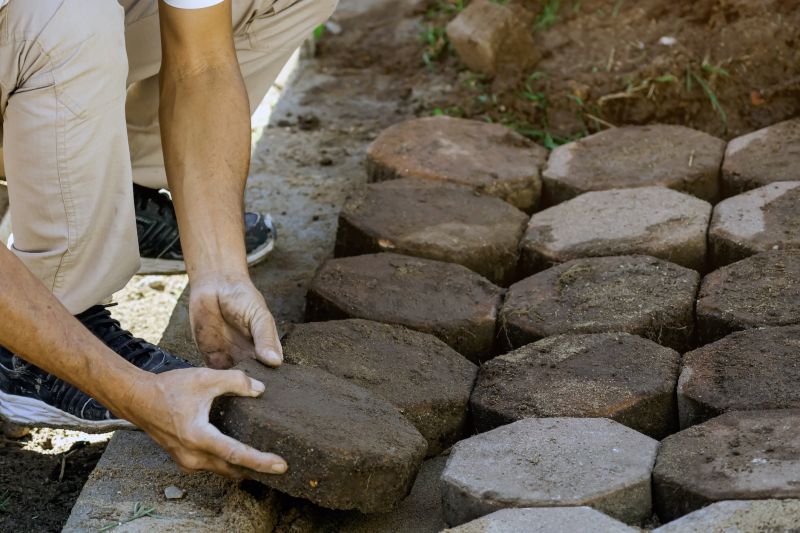
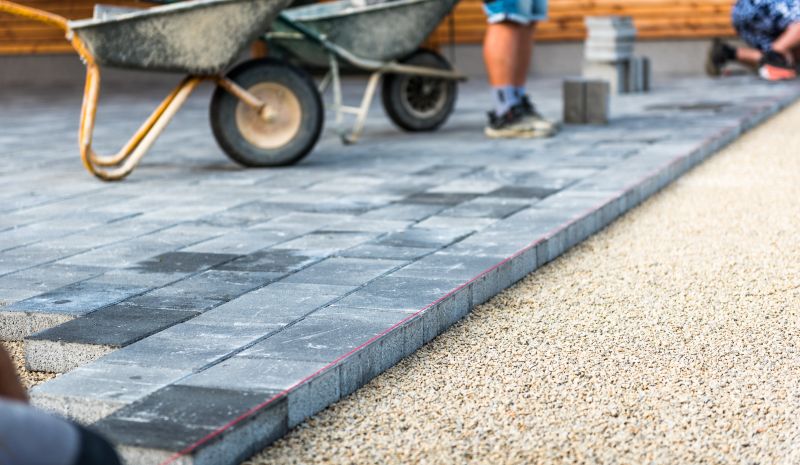
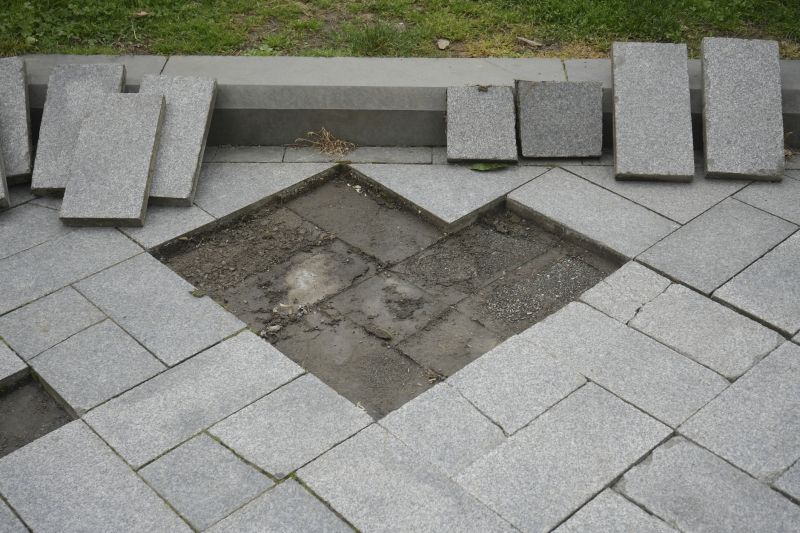
When homeowners search for information on common causes of paver shifting and settling, they are often trying to understand why their paved surfaces are becoming uneven or developing gaps over time. This issue frequently appears on driveways, walkways, patios, and pool decks, where the appearance and safety of the surface are important. People typically want to identify the root reasons behind these problems to determine whether repairs are needed or if preventative measures can be taken. Understanding the causes helps property owners plan appropriate solutions, which may involve adjusting existing installations or preventing future shifting.
This topic relates closely to problems like uneven surfaces, loose or wobbly pavers, and cracked or sunken areas. Paver shifting and settling can compromise the integrity of the entire paved area, making it unsafe or less attractive. Property owners often consider repair or replacement plans when they notice these issues, and they may seek advice on how to prevent recurrence. Local service providers who specialize in paver repair can assess the specific causes-such as drainage issues or poor installation techniques-and recommend effective solutions. Recognizing these causes early can save time and money by addressing problems before they worsen.
The types of properties most commonly affected by paver shifting and settling include residential homes with driveways and patios, as well as commercial properties with walkways and outdoor seating areas. These properties often experience shifting due to their exposure to environmental factors, heavy foot or vehicle traffic, and the quality of initial installation. For homeowners, the goal is to maintain a safe, level surface that enhances curb appeal. Commercial property owners want durable, stable walkways that accommodate foot traffic without becoming hazardous or unsightly. Local contractors who specialize in paver repair are equipped to handle these issues across various property types, ensuring the surfaces remain functional and attractive.
Several common causes contribute to paver shifting and settling, including poor base preparation, soil movement, drainage problems, and the natural settling of materials over time. Inadequate base installation or compaction can lead to instability, while soil expansion or contraction caused by moisture changes can push pavers out of alignment. Poor drainage can cause water to accumulate beneath the surface, weakening the foundation and leading to shifts or sinking. Additionally, natural settling of the ground or underlying materials can create uneven surfaces. Local service providers can diagnose these issues by inspecting the site and recommend targeted repairs or adjustments to restore stability and prevent future problems.
Paving and Landscaping Projects - projects involving the installation or repair of outdoor surfaces often require similar planning, tools, and knowledge as paver repair to address shifting and settling issues effectively.
Drainage System Installations - proper drainage is essential to prevent water-related causes of paver shifting, and local contractors experienced in drainage work can help mitigate these problems.
Foundation Repair Services - addressing foundational issues that cause ground movement can be crucial for preventing paver settling, making these skills relevant for related repair projects.
Concrete and Patio Installation - installing concrete slabs or patios shares techniques with paver installation, and contractors can handle issues related to ground movement affecting these surfaces.
Soil Stabilization and Grading - proper soil preparation and grading are vital to prevent shifting, and specialists in these services can help create a stable base for pavers.
Retaining Wall Construction - building retaining walls involves understanding soil and ground conditions, which are also key factors in paver shifting and settling problems.
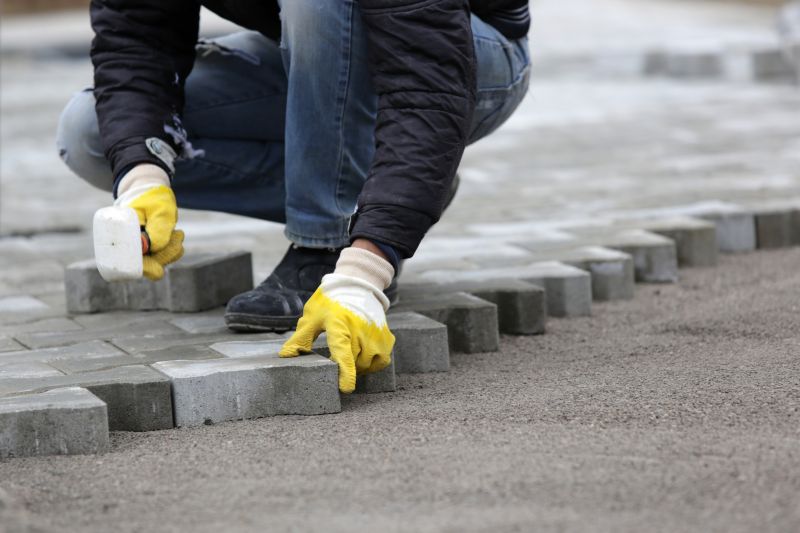
When evaluating potential service providers for paver repair, it is important to consider their experience with similar projects. Paver shifting and settling can stem from a variety of causes, such as soil movement or improper installation, making it essential to work with contractors who have a proven track record addressing these specific issues. Homeowners should inquire about the types of paver repairs the contractor has performed in the past and seek examples or references that demonstrate their ability to handle common causes of shifting and settling effectively. This helps ensure that the contractor understands the nuances of paver systems and can deliver results that stand the test of time.
Clear written expectations are vital when comparing local contractors for paver repair services. A reputable service provider should be able to outline the scope of work, the methods they plan to use, and the materials involved, providing transparency throughout the process. Homeowners should look for contractors who communicate their approach clearly and are willing to answer questions about how they will address issues like uneven settling or paver movement caused by underlying soil conditions. Having a detailed, written plan helps prevent misunderstandings and ensures that both parties are aligned on project goals and outcomes.
Good communication and reputable references are key indicators of a dependable contractor. Service providers who are responsive and transparent about their process can make the repair experience smoother and more predictable. Homeowners are encouraged to ask for references or reviews from previous clients, especially those who had similar paver issues. Listening to feedback about the contractor’s professionalism, reliability, and ability to resolve common causes of paver shifting and settling can provide valuable insight into what to expect. Choosing a contractor with a solid reputation and open lines of communication can help ensure that the repair work addresses the root causes effectively and meets expectations.
Property owners often search for common causes of paver shifting and settling when they are planning practical projects around their homes and businesses. Local pros provide Paver Repair services for everyday jobs and straightforward project options.
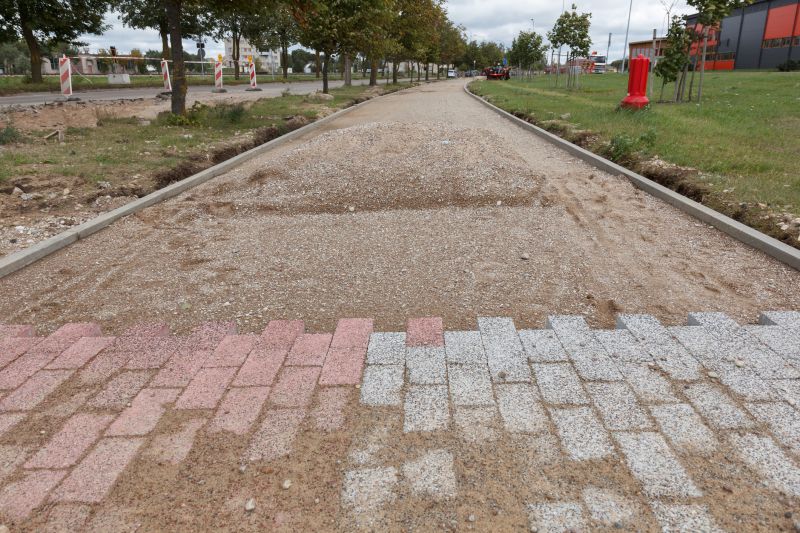
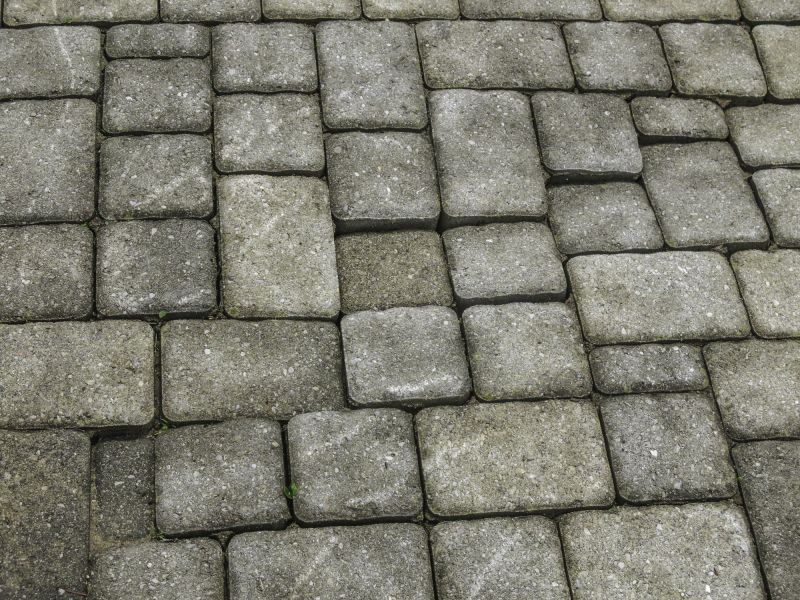
Many property owners in the area notice paver shifting and settling after heavy rainfall or periods of rapid weather changes. Excess moisture can weaken the soil beneath the pavers, leading to uneven settling over time. Additionally, improper installation practices, such as insufficient base preparation or inadequate compaction, can make pavers more susceptible to movement. Routine foot traffic or the weight of outdoor furniture can also contribute to shifting, especially if the pavers were not laid with proper support and spacing.
Other common causes include soil movement due to natural settling or nearby construction activities that disturb the ground. Tree roots can also exert pressure on paver installations, causing them to lift or shift as they grow. For property owners experiencing these issues, local contractors specializing in paver repair can assess the situation and recommend appropriate solutions to restore stability and appearance. These service providers have the experience to address the root causes and ensure the pavers remain secure over time.
What are common causes of paver shifting and settling? Paver shifting and settling often result from soil movement, improper base preparation, or inadequate drainage, which can lead to uneven surfaces over time. Local contractors experienced in paver repair can assess the site and identify specific causes affecting the stability of the pavers.
How does soil movement contribute to paver issues? Soil movement, caused by factors like moisture changes or settling soil, can exert pressure on pavers, leading to shifting or sinking. Skilled service providers can stabilize the base to prevent further movement and restore the pavers’ position.
Can poor base preparation cause paver settling? Yes, improper or insufficient base material and compaction can result in uneven support, causing pavers to settle unevenly over time. Local paver repair experts can replace or reinforce the base to improve stability.
What role does drainage play in paver shifting? Poor drainage can lead to water accumulation beneath the pavers, weakening the base and causing shifting or sinking. Service providers can improve drainage systems to help maintain the integrity of the paver installation.
How can local contractors fix paver shifting caused by these issues? They typically evaluate the site, address underlying causes such as soil instability or drainage problems, and perform repairs like base replacement, leveling, or reinstallation to restore a stable, even surface.
Soil instability - property owners can assess drainage and soil conditions to prevent shifting caused by loose or uneven ground, with local contractors providing stabilization solutions.
Improper base preparation - ensuring a solid foundation before installing pavers can reduce settling, and local pros can help evaluate and improve existing bases.
Tree roots - recognizing nearby roots that may lift or displace pavers allows property owners to plan for root management, with local service providers offering root barrier or removal options.
Heavy loads and traffic - avoiding excessive weight or frequent heavy traffic over paver areas helps prevent shifting, and local contractors can reinforce or redesign paved surfaces for better stability.
If you are thinking about common causes of paver shifting and settling for a property, this guide is meant to help you understand this topic, the typical project types, and how different options might fit your plans.
When you are ready, you can use the quote form on this page to share a few details about your project. From there, local pros can review the basics and follow up with options that match what you have in mind.